

Journal · Pricing & Process
Architecture Fees Explained: How Architects Charge in Pune
Hiring an architect in Pune can feel opaque, especially when every studio quotes differently — some charge a percentage of project cost, others price per square foot, and a few work on lump-sum or hourly retainers. If you are planning a home, an office fit-out, or a commercial development, understanding how architecture fees actually work is the first step to a fair, transparent engagement.
In this guide we walk through the four common fee structures used across Pune, show you what is typically included at each stage of an architectural project, and explain the hidden costs to watch for. We also share benchmark percentages for residential, commercial, and interior projects so you can compare quotes with confidence and pick a partner who will deliver real value, not just the lowest number on paper.
The Four Common Architecture Fee Structures
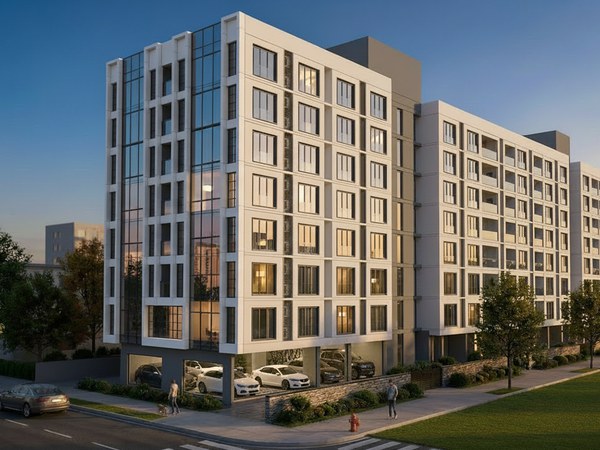
1. Percentage of Project Cost
The most common model. The architect's fee is calculated as a percentage of the total construction cost. In Pune, residential projects typically attract 5–8% for full-service engagements (concept through site supervision), while commercial and hospitality projects often settle between 4–6% owing to larger project values and more standardised detailing. The advantage is that the fee scales naturally with project scope — but watch out if the construction budget grows, so does the bill.
2. Per Square Foot
Popular for residential and interior projects where area is the clearest measure of complexity. Current Pune benchmarks run from ₹80–₹150 per sq ft for architectural drawings alone, rising to ₹180–₹300 per sq ft when interior design and execution supervision are bundled in. Smaller bungalows and row-houses often attract a higher per-sq-ft rate because the fixed effort of statutory drawings, meetings, and coordination does not compress proportionally.
3. Lump Sum (Fixed Fee)
A fixed price agreed upfront for a defined scope of work. Best suited to projects with a very clear, stable brief — fit-outs, renovations, or repeat-typology commercial buildings. Lump-sum contracts protect clients when scope creep is unlikely, but architects will typically price in a contingency margin. Ensure the agreement specifies how additional revisions or scope changes are billed separately.
4. Hourly / Monthly Retainer
Mostly used for advisory roles, project management services, or early-stage feasibility studies. Pune rates vary from ₹2,500–₹6,000 per hour depending on seniority. A monthly retainer for on-call design advice typically ranges from ₹25,000–₹80,000. This model works well for developers who have in-house teams and need expert oversight rather than full design services.
What Is Included in an Architect's Fee?
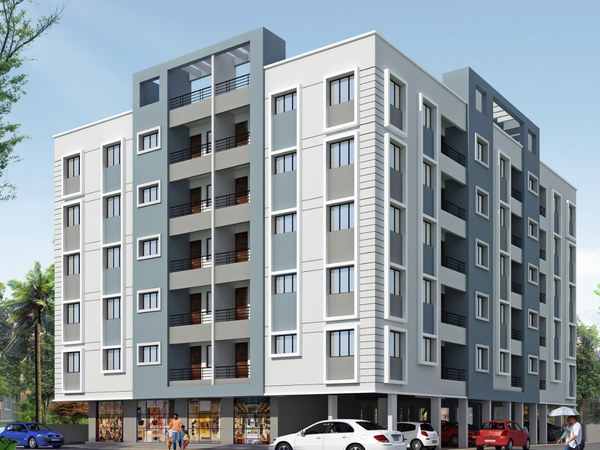
A well-structured engagement covers five stages. Knowing which stages are included — and which are extra — prevents nasty surprises mid-project.
- Concept Design — Site analysis, design intent, massing studies, preliminary layouts. Usually 10–15% of the total fee.
- Schematic Design — Developed floor plans, sections, elevations, 3D views. Client approval milestone. Another 15–20%.
- Statutory / Approval Drawings — PMRDA, PMC, or local authority drawings for building permit. 10% of fee; liaison charges may be extra.
- Good-for-Construction (GFC) Drawings — Detailed structural, electrical, plumbing, finishing schedules. The largest deliverable — 30–35% of fee.
- Site Supervision — Periodic visits, contractor coordination, quality checks, snag list. Remaining 20–25% released across construction.
Interior design, landscape architecture, MEP (mechanical, electrical, plumbing) engineering, and structural engineering are almost always separate engagements with separate consultants unless your architect explicitly bundles them.
Hidden Costs and Red Flags to Watch For
Reimbursable Expenses
Travel, printing, government fees, and model-making are billed on top of professional fees. Always ask for a cap or a monthly estimate.
Revision Policy
Most contracts allow two rounds of design revisions per stage. Additional rounds are charged at an hourly rate. If your brief is still evolving, agree on the revision policy before signing.
Consultant Coordination Fees
When your architect coordinates structural, MEP, and landscape consultants, they often add a 10–15% coordination markup on those invoices. This is legitimate but should be disclosed upfront.
The Underquoted Proposal
A suspiciously low fee — say 2% on a ₹2 crore home — usually signals reduced deliverables (no GFC set, monthly site visits instead of weekly), a junior team, or a plan to recover margin through change-order markups later. Ask exactly which stages and deliverables the quoted fee covers before comparing numbers.
How to Compare Quotes Fairly
Use this checklist when evaluating proposals. Do not compare headline prices until you have verified all of these:
- ☑ Scope — Which of the five stages are included?
- ☑ Deliverables — Number of drawings, 3D renders, walkthroughs?
- ☑ Team — Who actually works on your project — principal or junior staff?
- ☑ Site visits — Frequency and how they are billed (included or extra)?
- ☑ Revisions — How many rounds per stage, and cost of additional rounds?
- ☑ Consultants — Are structural/MEP fees quoted separately or bundled?
- ☑ Timeline — Stage-wise delivery schedule and penalties for delay?
- ☑ Payment schedule — Milestone-linked or time-based?
The architect who scores highest across scope, deliverables, team quality, and timeline clarity — not the lowest fee — will almost always deliver the best return on your investment. A well-designed building saves money during construction through precise specifications, saves time through fewer RFIs on site, and saves energy through better-resolved systems.
At Architectural Design Studio, Pune, we follow a transparent milestone-based billing structure tied to each design stage. If you would like a tailored fee proposal for your project, get in touch with our team.